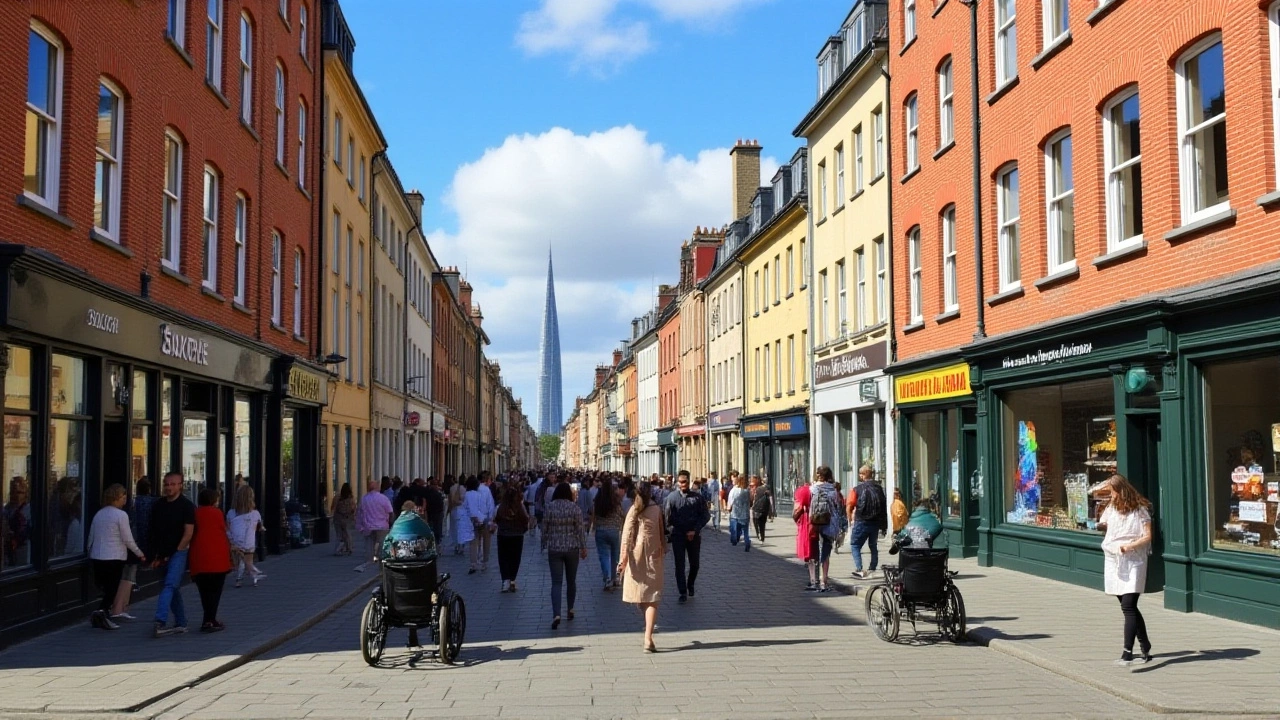
The Isle of Man just became one of the few places on Earth where workers earn more than £13 an hour — but not everyone is celebrating. On Wednesday, November 26, 2025, Tynwald approved a 9.9% jump in the minimum wage, raising it from £12.25 to £13.46 per hour, effective April 1, 2026. The youth rate — for those over compulsory school age but under 18 — rose from £9.55 to £10.76. The move, while welcomed by low-wage workers, has sparked alarm among small business owners who say they simply can’t absorb the cost. Here’s the thing: inflation last August was just 3.3%. This wage hike is nearly three times that. And yet, it passed anyway.
How the New Wage Was Calculated — and Why It’s Controversial
The increase wasn’t pulled out of thin air. It came from a June 17, 2025 review by the Department for Enterprise, which recommended tying the minimum wage to 66% of the Isle of Man’s median earnings. That’s a shift from the old system, which relied on outdated benchmarks. The goal? To align pay with what’s widely considered a "living wage." But here’s the twist: median earnings include public sector salaries — which are often significantly higher — and those figures are being used to set pay for private sector jobs in restaurants, shops, and care homes. The Isle of Man Chamber of Commerce warned in a September 25, 2025 statement that this "masks the growing disparity" between sectors. "It creates reference points that are unrealistic and unsustainable," they wrote.That’s why so many business owners are bracing for impact. "Higher wage costs will combine with higher energy bills and reduced consumer spending," the Chamber noted. "Many of our members... already highlight that they simply cannot absorb these combined pressures."
The Debate in Tynwald: Caution vs. Certainty
The vote wasn’t unanimous. Jason Moorhouse, MHK for Arbory Castletown and Malew, stood up and said plainly: "Businesses are closing their doors and blaming costs." He wasn’t arguing against fair pay — he was warning that the timing and scale could backfire. Lawrie Hooper, MHK for Ramsey, proposed a compromise: raise wages to £13.00 in April 2026, then to £13.74 in October. It was defeated 15-10. Meanwhile, Tim Johnston, the Enterprise Minister, defended the decision as "providing certainty." Businesses, he argued, now have seven months to plan. "We need a regular, predictable cycle," he said, pointing to the new October-to-April approval timeline built into the legislation.But certainty doesn’t mean affordability. The Minimum Wage Committee itself had recommended against the increase, calling it "unsustainable for a cross section of low-paying employers." That’s a red flag most governments would pause for. Not here.

Who’s Most at Risk? The Small Businesses Already Straining
The hospitality sector is the canary in the coal mine. Think cafes, guesthouses, pubs, and small hotels — businesses that run on razor-thin margins and already struggle to hire. The Chamber of Commerce says many are already operating at capacity. Add £1.21 more per hour to payroll, and you’re talking hundreds of pounds extra every week. Multiply that across dozens of staff, and you’re looking at tens of thousands in added annual costs.It’s not just hospitality. Retail, cleaning services, and care homes are equally vulnerable. Many employ part-time workers, often teenagers or older adults on fixed incomes. They’re not luxury hires — they’re essential. But when rent, fuel, and insurance keep rising, and customers are cutting back, where do you draw the line?
"We’re not against fair pay," said one restaurant owner in Douglas, who asked not to be named. "But if I have to raise prices 15% to cover this, I lose half my customers. And if I don’t raise prices, I lose my business. Either way, I’m gone by Christmas."
What Happens Next? The Winter Test
April 1, 2026, is now a ticking clock. The government has promised the Accommodation Offset — the allowance for employers who provide housing — will stay unchanged. But that’s cold comfort to businesses already drowning in overhead.The Chamber of Commerce is demanding two things: a detailed impact assessment, and targeted support for the hardest-hit sectors. That could mean temporary tax relief, energy subsidies, or grants to offset wage hikes. Without it, they warn of "a serious risk of more business closures and job losses at precisely the time our economy needs resilience and stability."
And winter is coming. Literally. Energy bills in the Isle of Man spike every November. Consumer spending dips. And now, wages are rising. It’s a perfect storm — one the government didn’t model, and businesses didn’t ask for.
Global Context: Where Does the Isle of Man Stand?
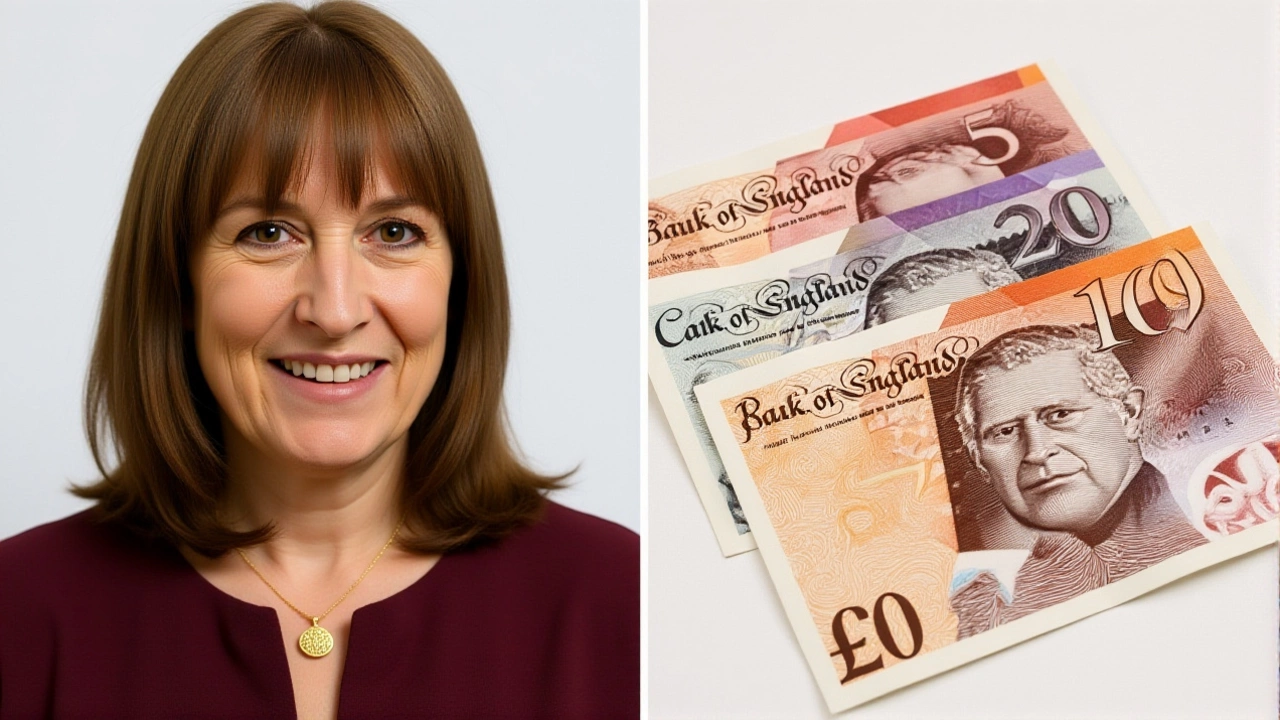
With £13.46, the Isle of Man now sits among the highest minimum wages in the world — above the UK’s £11.44, and even higher than Australia’s $23.23 AUD (roughly £12.10). It’s a point of pride for some. But wage levels mean little if jobs vanish. New Zealand, which raised its minimum wage sharply in recent years, saw a 12% drop in youth employment in rural areas. The same risk looms here.What’s clear is this: the government chose fairness over feasibility. Now, they’ll have to prove they can make it work — or risk turning a win for workers into a crisis for the economy.
Frequently Asked Questions
How will this wage increase affect small businesses on the Isle of Man?
Small businesses, especially in hospitality and retail, face added payroll costs of up to £2,500 per employee annually. With inflation at 3.3% and energy bills rising, many lack the buffer to absorb this. The Isle of Man Chamber of Commerce warns that without targeted support, closures could rise by 15–20% in high-pressure sectors by mid-2026.
Why was the 66% median earnings formula chosen, and is it fair?
The formula was recommended by the Department for Enterprise to align wages with a "living wage" benchmark. But critics argue it includes high public sector salaries, distorting the picture for private employers. For example, if the median includes nurses and civil servants earning £40k+, it doesn’t reflect what a café worker actually earns. That mismatch makes the wage feel unattainable for many small firms.
What was the alternative proposal, and why was it rejected?
Ramsey MHK Lawrie Hooper proposed a phased increase: £13.00 in April 2026, then £13.74 in October. This would have given businesses more breathing room. But Tynwald voted it down 15–10, prioritizing a single, clear jump for administrative simplicity and worker certainty. Critics say the vote ignored real-time economic pressure.
Will the Accommodation Offset change with the new wage?
No. The Accommodation Offset — which allows employers to deduct part of housing costs from wages — remains unchanged at £7.00 per day. This means employers who provide housing can still reduce their wage liability by up to £175 per month. But for many small businesses, this doesn’t offset the full cost of the wage hike.
What support is the government offering to businesses?
So far, none. The Department for Enterprise has not announced any grants, tax relief, or energy subsidies. The Isle of Man Chamber of Commerce has urged immediate action, warning that without intervention, job losses could follow. A formal impact assessment is promised but not yet scheduled.
How does this compare to other UK Crown Dependencies?
Jersey’s minimum wage is £11.13, and Guernsey’s is £10.70 as of 2025. The Isle of Man’s £13.46 rate is now the highest among the three. While this boosts worker income, it also increases the risk of labor cost inflation outpacing productivity — a challenge that’s already strained businesses in Jersey during past wage surges.